Prototype to production · stage two
Tooling for the gap between ten parts and ten thousand.
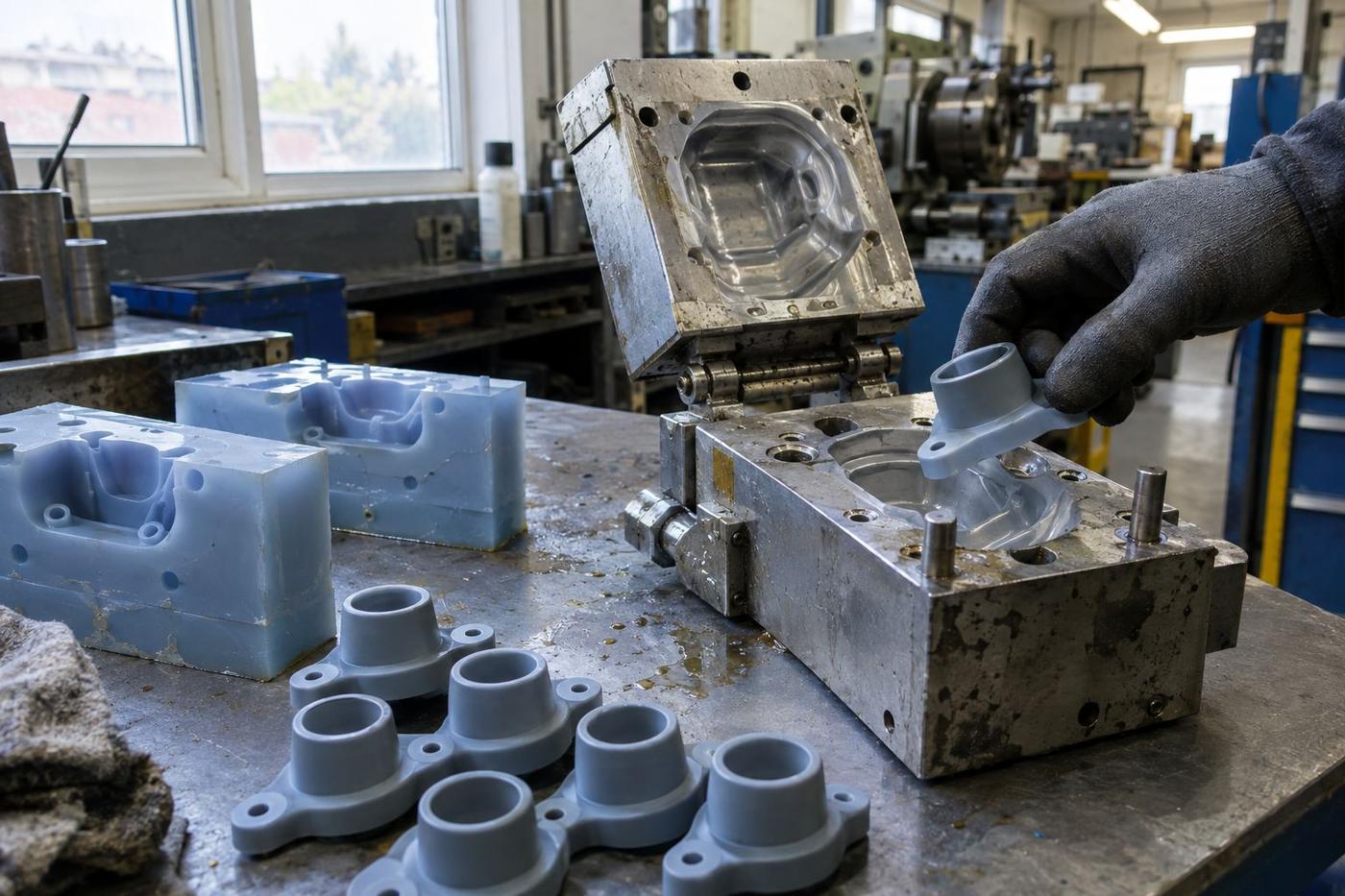
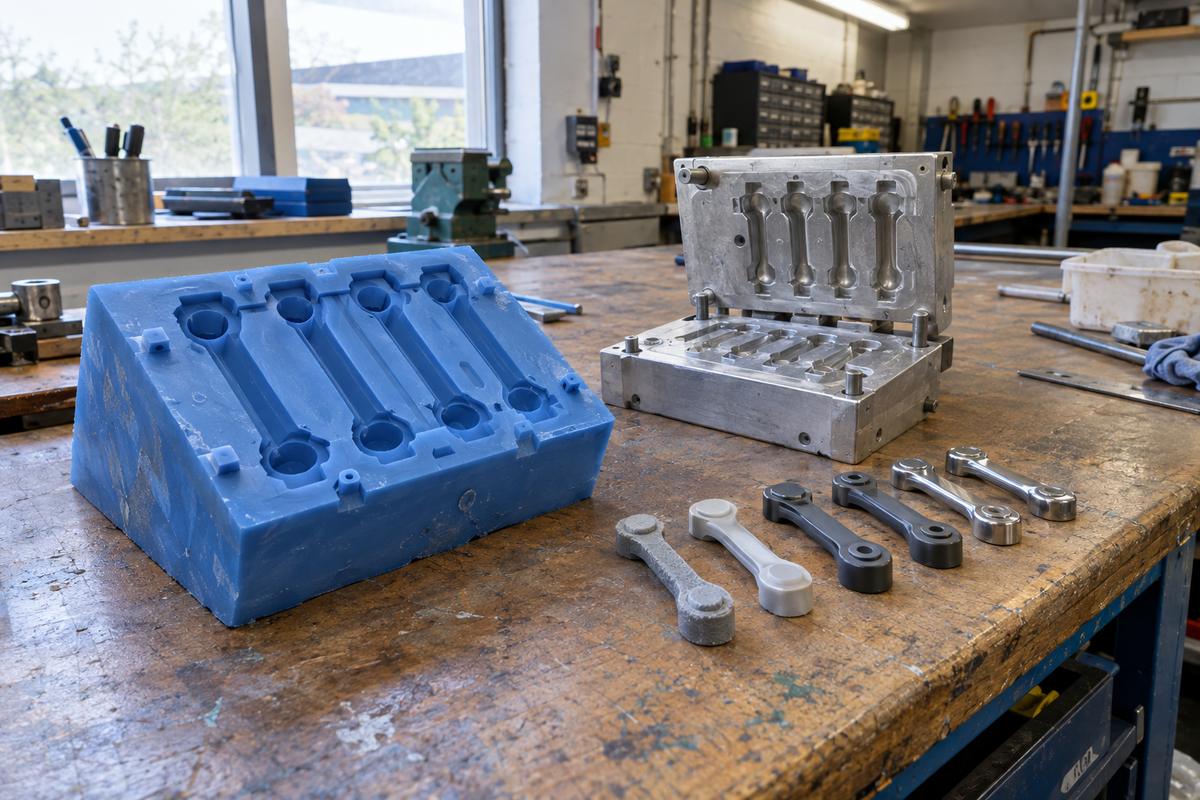
Your prototype worked and orders are coming, but full production tooling isn't justified yet. A bridge tool — improved cast, vacuum-cast or aluminium compression — carries early volume while demand proves itself.
The detail
Bridge tooling, at group level.
The bridge stage is where many programmes either overspend or stall. Buying steel too early locks in a design that's still settling; staying on hand-cast too long limits how many you can sell.
A bridge tool buys time and volume at a sensible cost, and gives you real production data for the final tool.
Back to From first prototype to production volume, in planned…
What's involved
Six parts of the work.
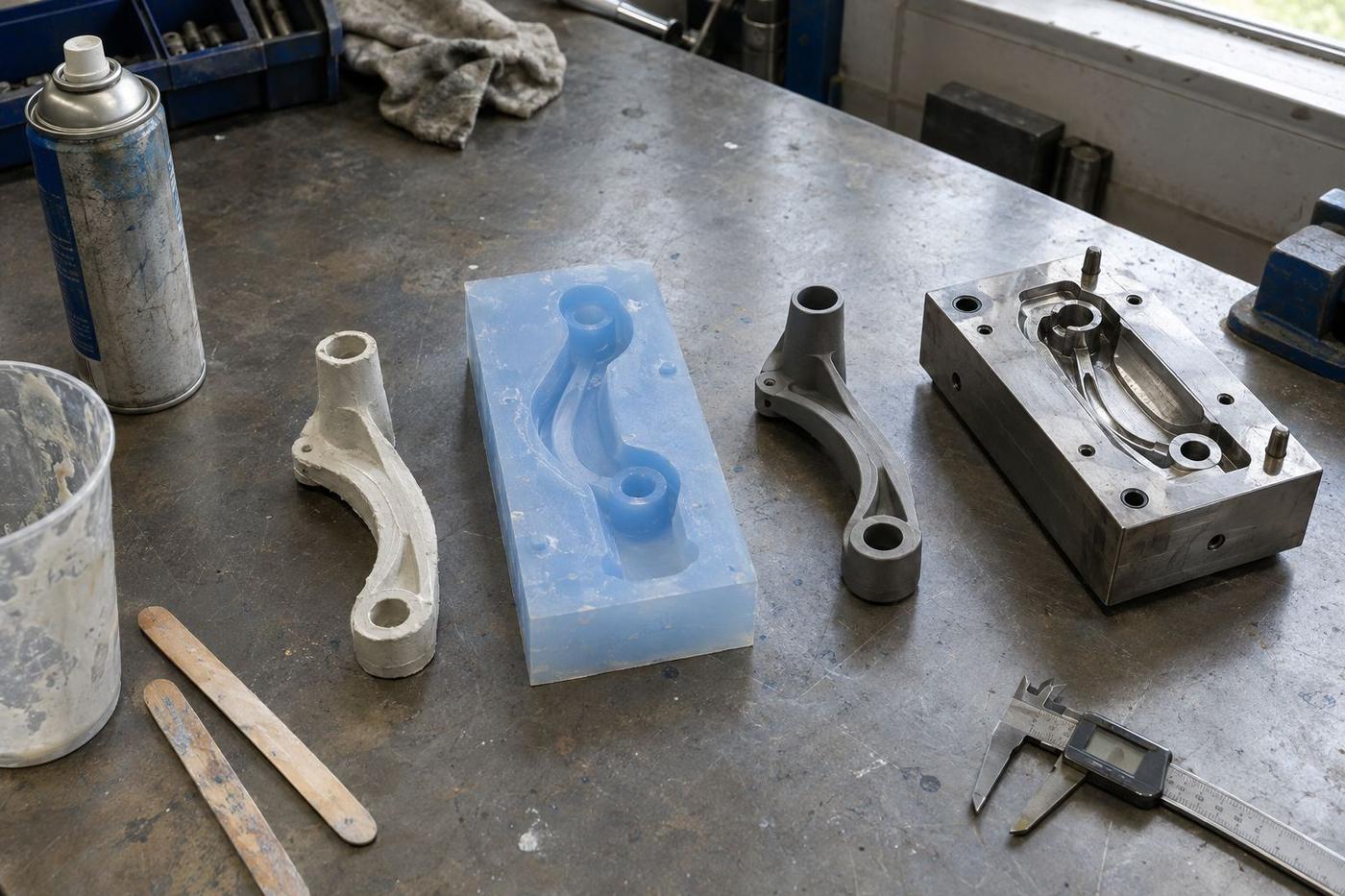
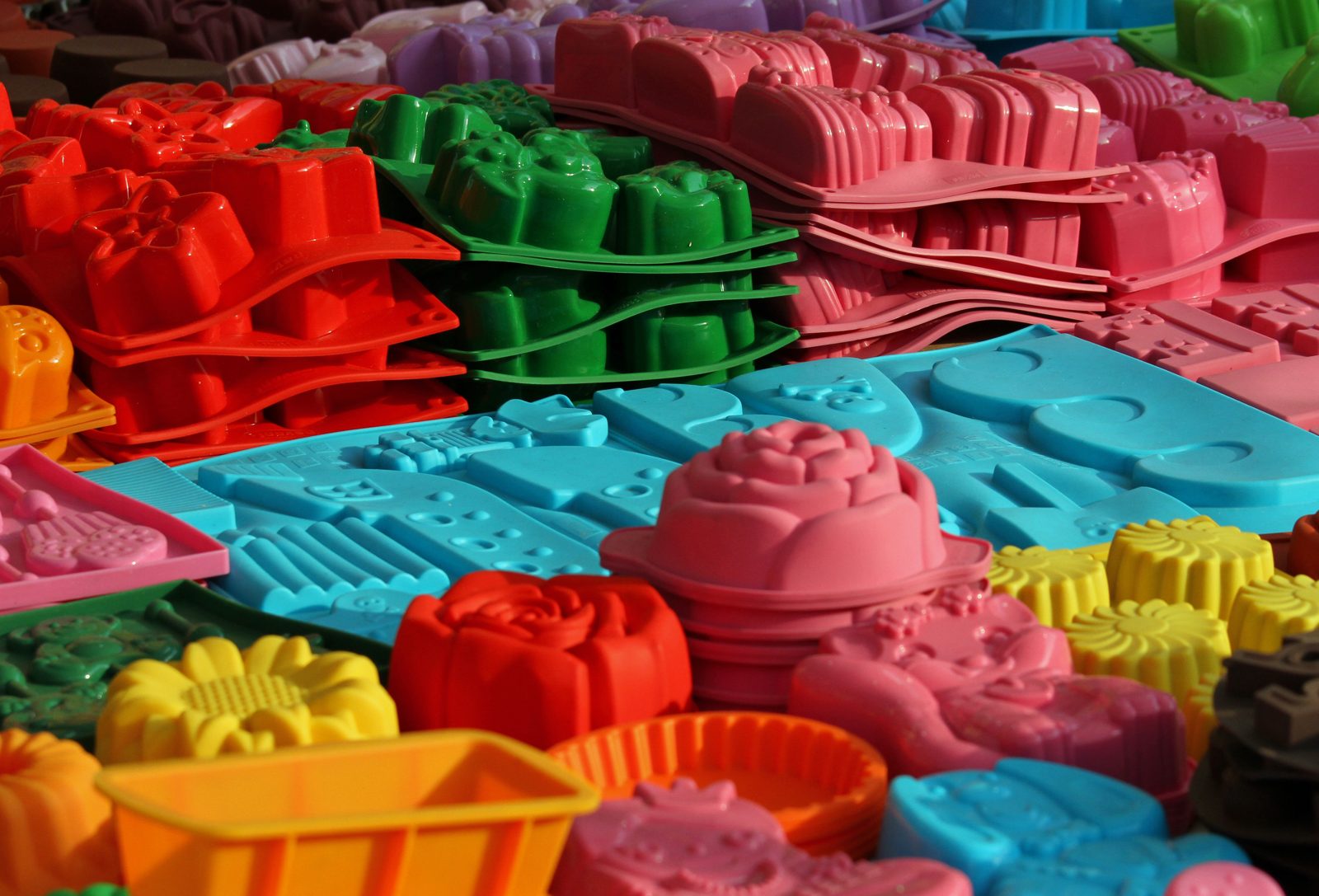
Improved cast tools
Better draft, venting and registration than the prototype.
Vacuum casting
Bubble-free parts for cosmetic or sealing faces.
Aluminium compression
Quicker, less costly tooling than steel for moderate runs.
Design refinements
Changes from prototype feedback folded in.
Real run data
Cycle, reject and fit data that sharpens the production tool.
Division continuity
Often starts in Mouldings and moves to Products — same lead engineer.
How it runs
Four steps, in order.
- 01
Review prototype
What worked, what needs to change.
- 02
Choose bridge route
Cast, vacuum-cast or aluminium compression.
- 03
Run
Early volumes to your forecast.
- 04
Decide
Trigger point for production tooling agreed.
Is it right for you?
An honest fit check.
A good fit when
- Early orders exceed what hand-casting can supply
- Demand is growing but not yet proven
- The design still has small changes to come
- You need consistent parts for a pilot or first retailer
Probably not the answer when
- Volume is already high and stable — go to production tooling
- Very low volumes — hand-cast is still the right answer
- Parts needing full LSR properties from day one
At a glance
The ideas in pictures.
Which route suits your quantity
Swipe to see the whole diagram
One enquiry, the right team
- 01One enquiryTell us what you need
- 02Right divisionWe bring in the specialists
- 03One quoteCovering every part of the job
- 04Named contactOne person keeps it moving
- 05DeliveredMoulds, parts or both
Swipe to see the whole diagram
FAQs
Common questions.
Is a bridge tool wasted money?
Not if it carries sales and improves the final tool. We'll show you the maths.
Can the bridge tool become the production tool?
Sometimes. If volumes settle at a moderate level, it may be all you need.
Who runs the bridge stage?
Usually TCI Mouldings or TCI Products, depending on route.
Related
The rest of this service.
First parts you can hold, test and show, quickly.
A hand-cast silicone mould from a 3D print or an existing object, and a small batch of parts in silicone or PU. It's…
Moving into production tooling — ours, or one you already own.
Whether you're commissioning a steel production tool from us or moving an existing tool from another supplier, the…
From first prototype to production volume, in planned stages.
Hand-cast prototypes, bridge tooling, then production steel — with a clear trigger for each step. You spend on tooling…
The group
Delivered across the group
This work is coordinated by TCI Group and carried out by whichever of the four divisions suits your part.
Get in touch
Not sure which division? Tell us what you're making.
Send us a sketch, a photograph, or a paragraph. We'll come back with the right division, the right route, and an honest sense of what it will take.
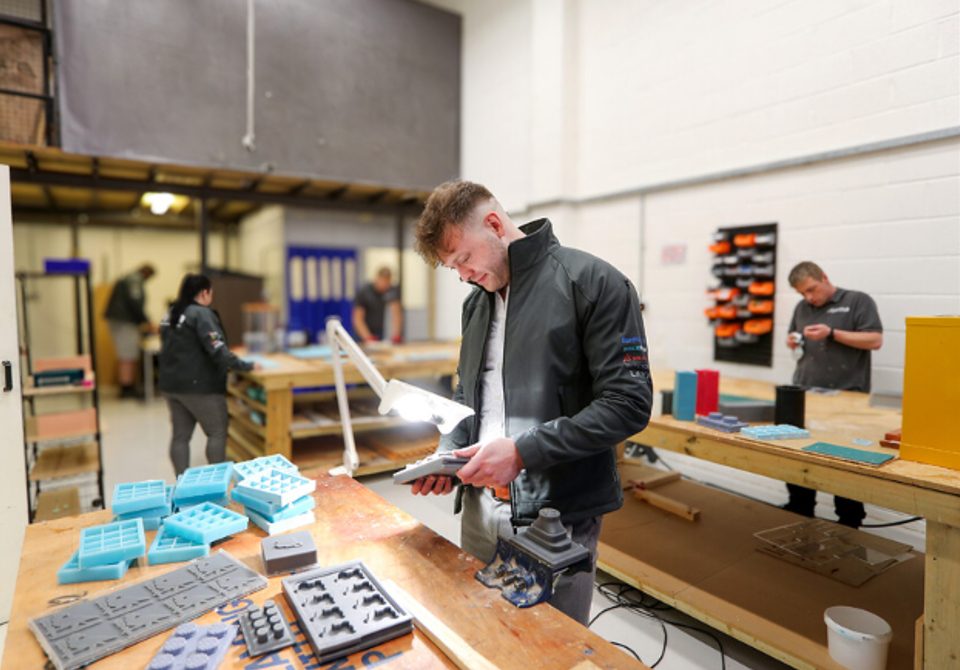
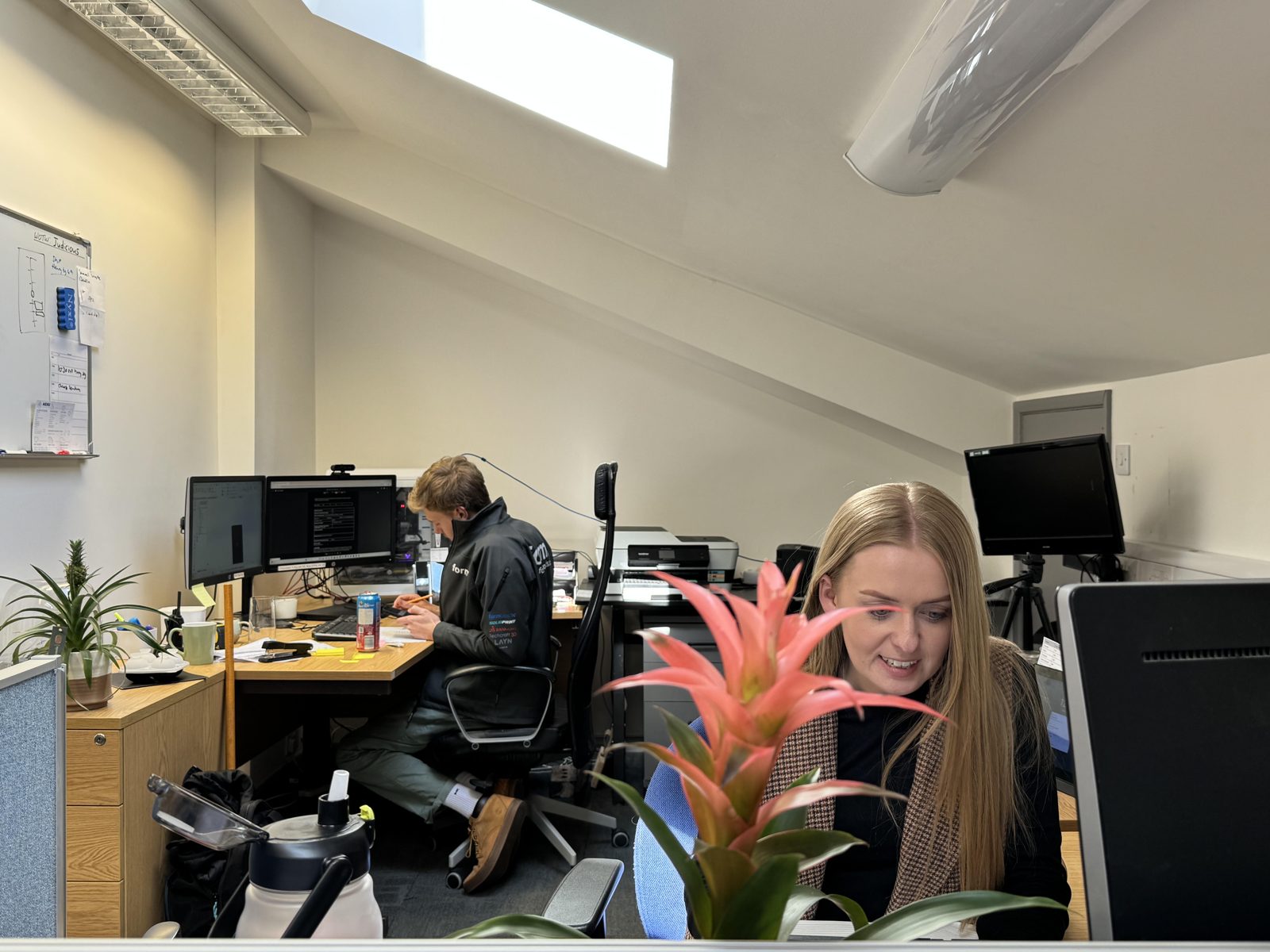
Real people, a real workshop
You deal with the people who make it.
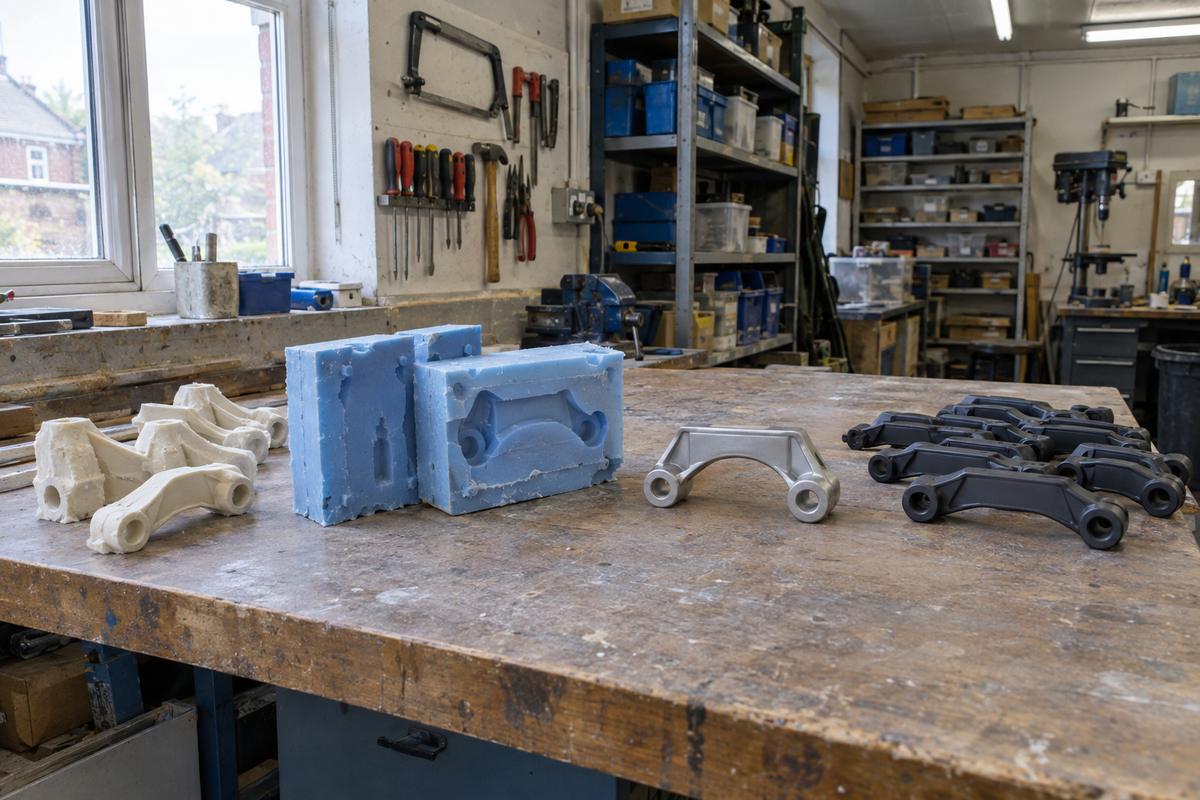
No call centre and no middlemen. When you contact TCI Group, you speak to the team who design, build and check your mould.
- A real Warwickshire workshopUnit 15, Waterloo Park, Bidford-on-Avon, Alcester B50 4JG.
- Real people on the phoneCall the team on 01789 224228, Monday to Friday.
- The same team on every jobDesign, production and aftercare come from the people you see here.
- Five brands, one teamMoulds, culinary, construction and contract products, all run from Bidford-on-Avon. See the divisions.
 Thomas LaneManaging Director
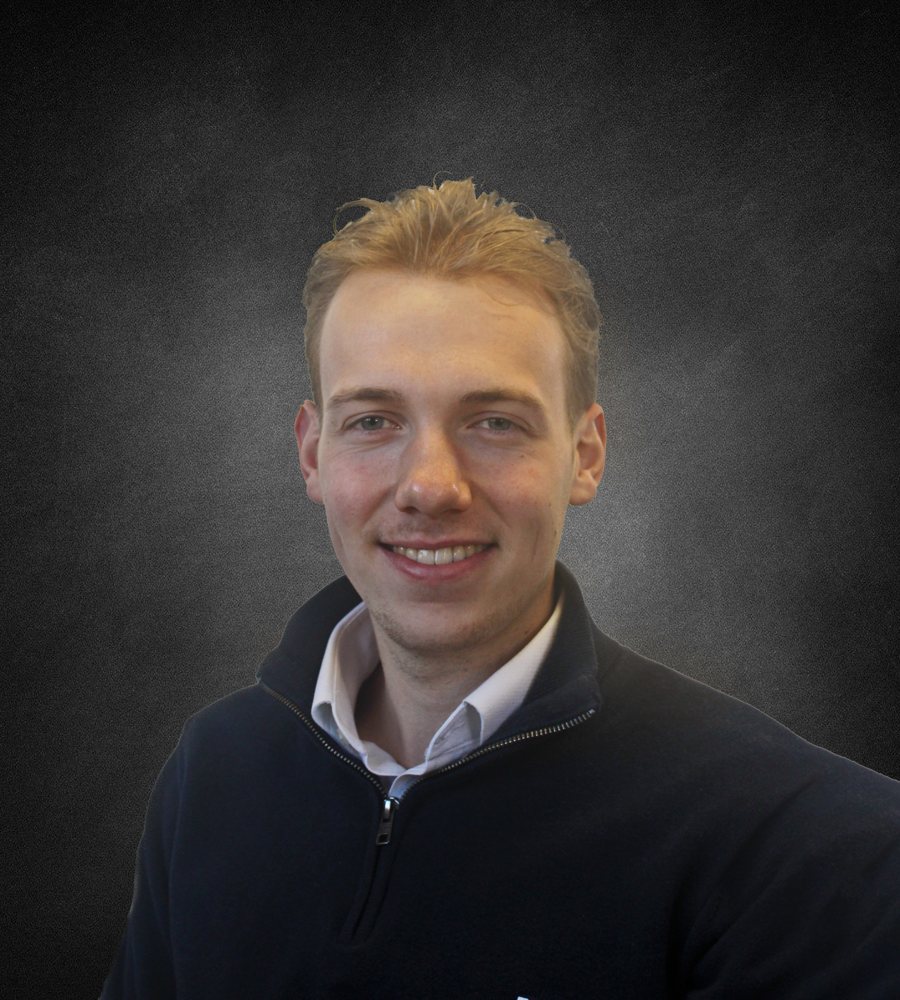 George PrestonDesign & Project Manager
 Kelly BallingerHead of Partnerships
 Jim AndertonProduction Manager
 TheodoreEmployee Welfare