Buyer's guide
Silicone vs polyurethane vs rubber — which route.
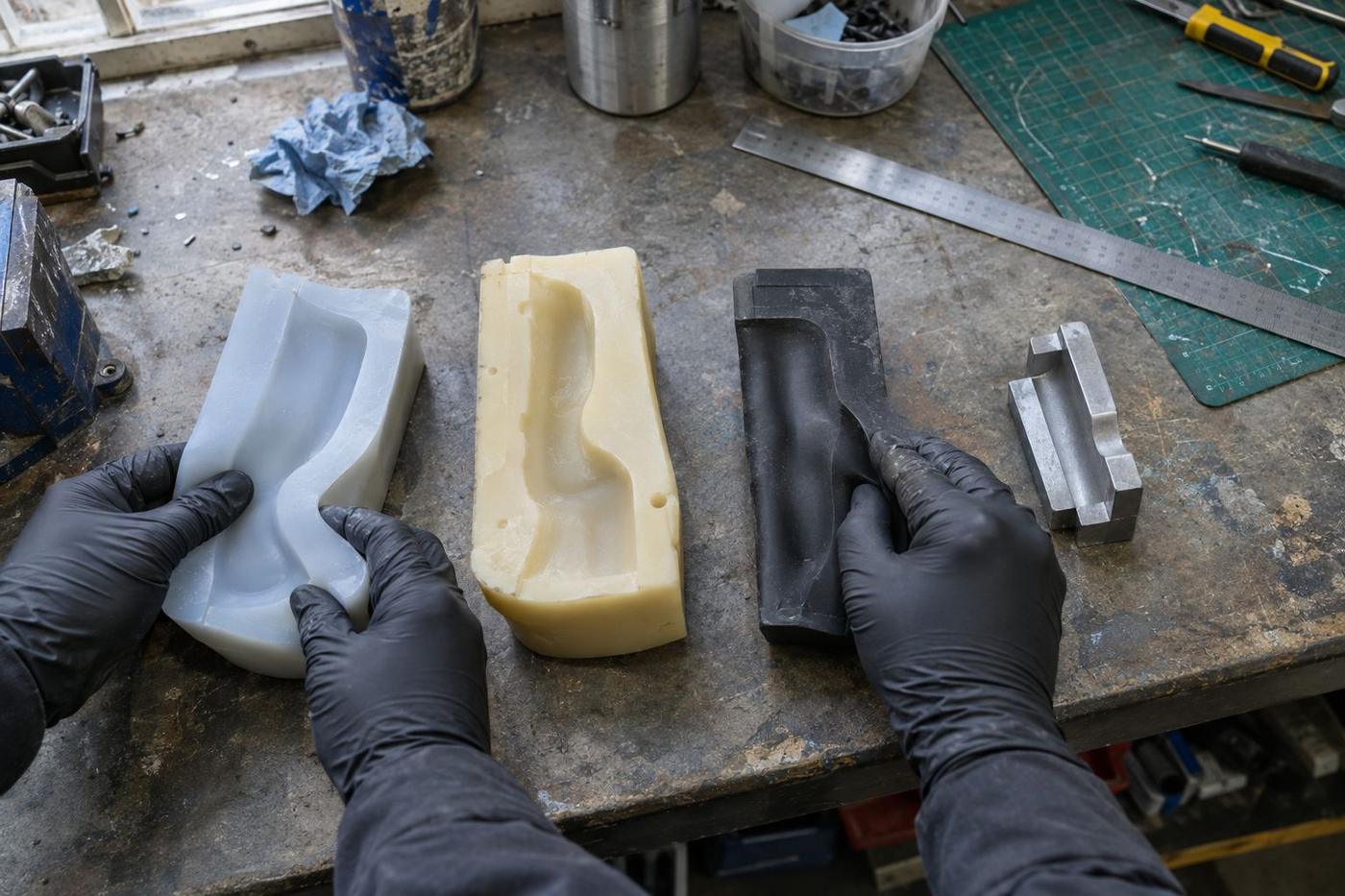
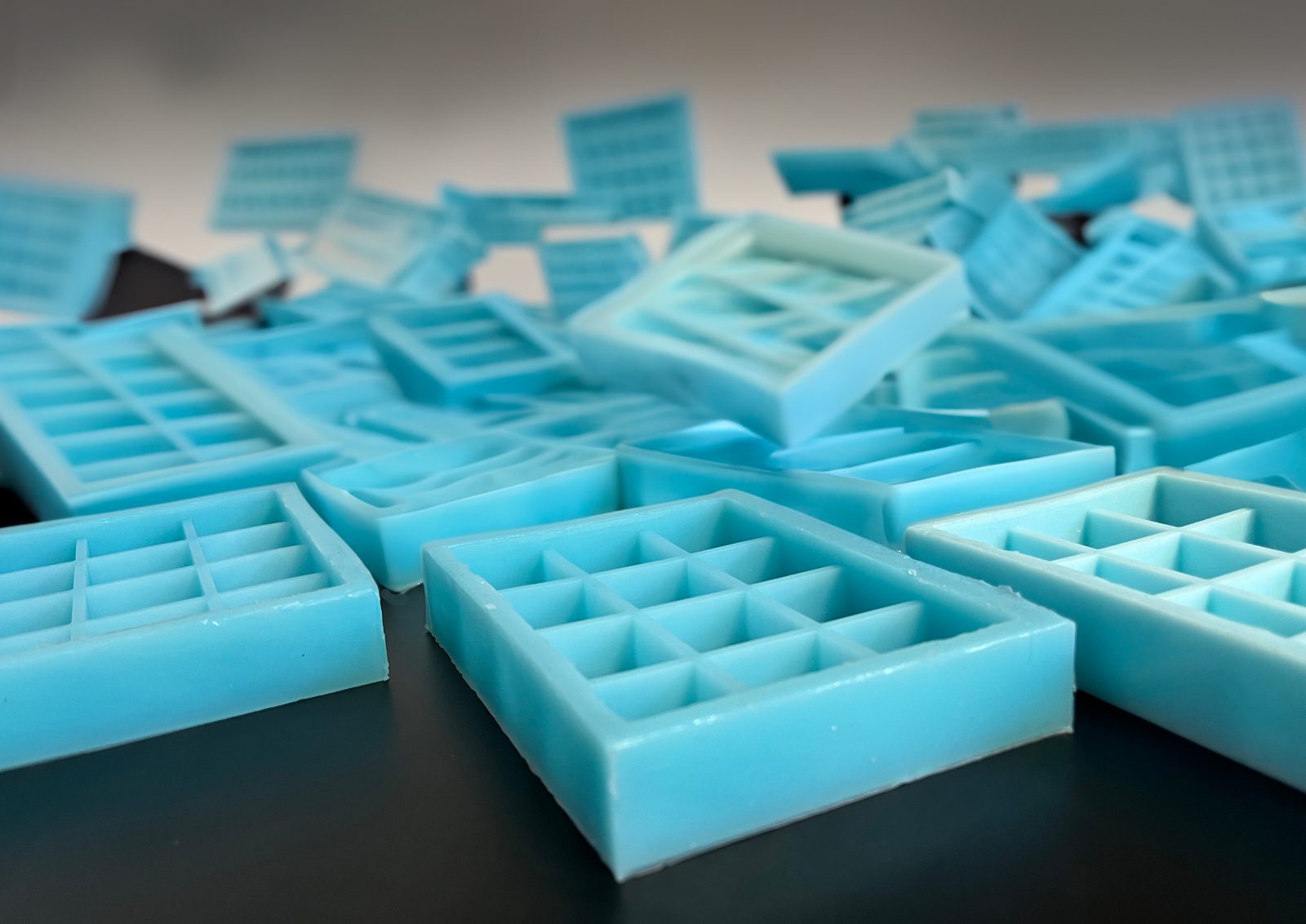
Four materials sit on our shelves. Choosing between them is often the second most important decision in a moulding job, after 'which of the five moulding routes'. Here's how to think about it.
Intro
Silicone vs polyurethane vs rubber — which route.
This guide won't turn you into a materials engineer. It will get you far enough through the trade-offs that the first conversation with us is about your specifics, not about definitions.
Platinum-cure silicone
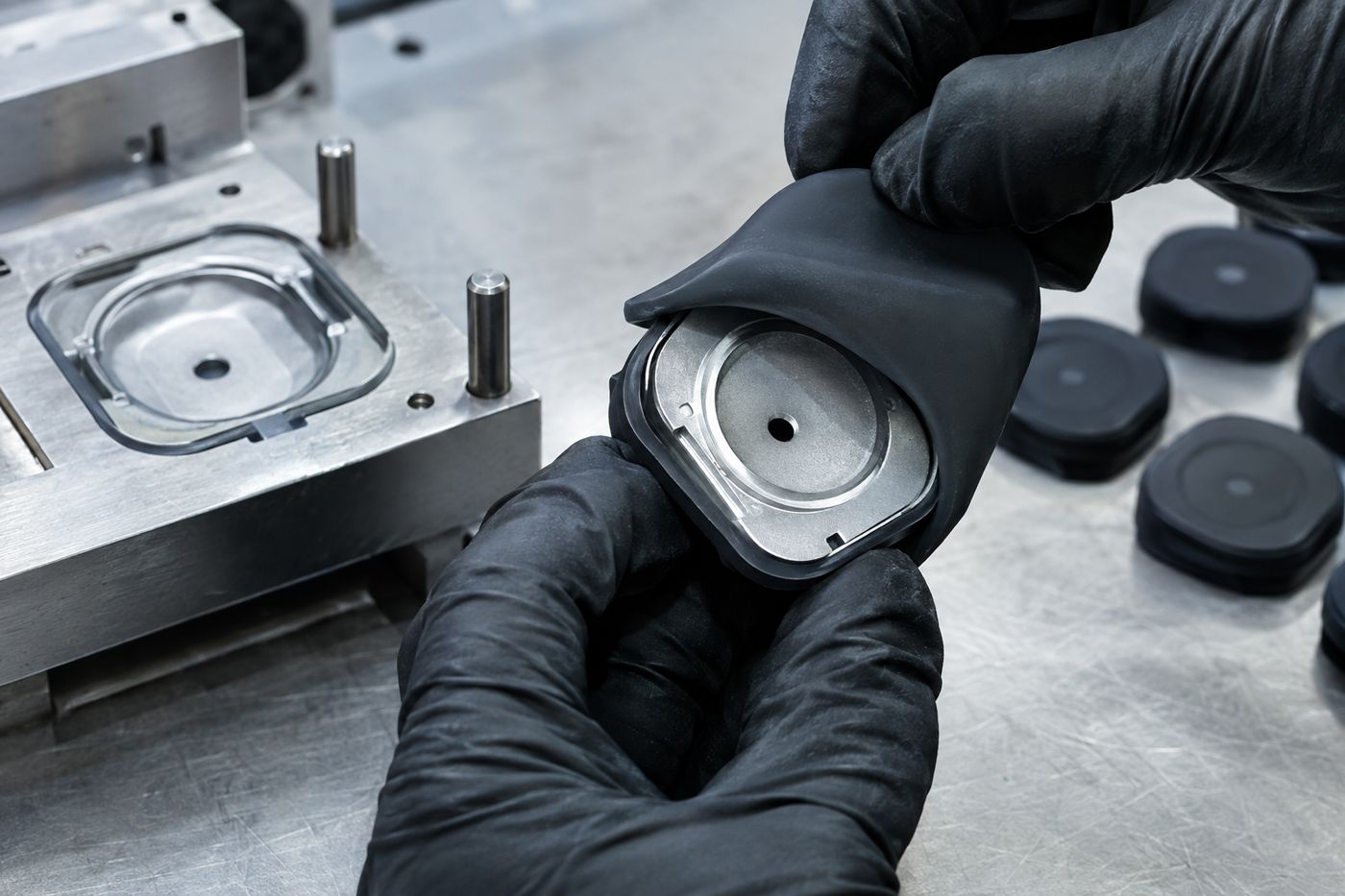
The default for food, medical, and skin-contact. Doesn't outgas, doesn't inhibit, doesn't discolour with age. More expensive than tin-cure, but the properties are almost always worth it. Long shelf life.
Tin-cure silicone
Cheaper. Fine for decorative and industrial casting where food or skin contact isn't in scope. Shorter shelf life. Can inhibit if it touches the wrong catalyst — plasticine, sulphur clay — so we ask what the master is made of.
Polyurethane
Cheap and fast for prototypes. Not food-safe. Can be cast into hard, semi-rigid, or flexible variants. Excellent for validation before committing to silicone. Cures faster than silicone in most cases.
Rubber (natural, nitrile, EPDM)
For parts that need chemical or oil resistance beyond what silicone offers. Compression moulded, higher volume. Slower to tool up but excellent unit cost at volume.
How we pick
We start with what the part contacts (food, skin, oil, solvent, alkaline concrete), the temperature range, and the volume. Those three usually narrow the field to one or two materials. We'll send you the data sheets for the shortlist.
Quick reference
A one-glance version of the guide above.
Food-contact
→ Platinum-cure silicone
Skin or medical contact
→ Platinum-cure silicone
Decorative casting, non-contact
→ Tin-cure silicone (cheaper)
Prototype, needs to be fast
→ Polyurethane
Oil, solvent or fuel exposure
→ Nitrile or EPDM rubber
Concrete casting
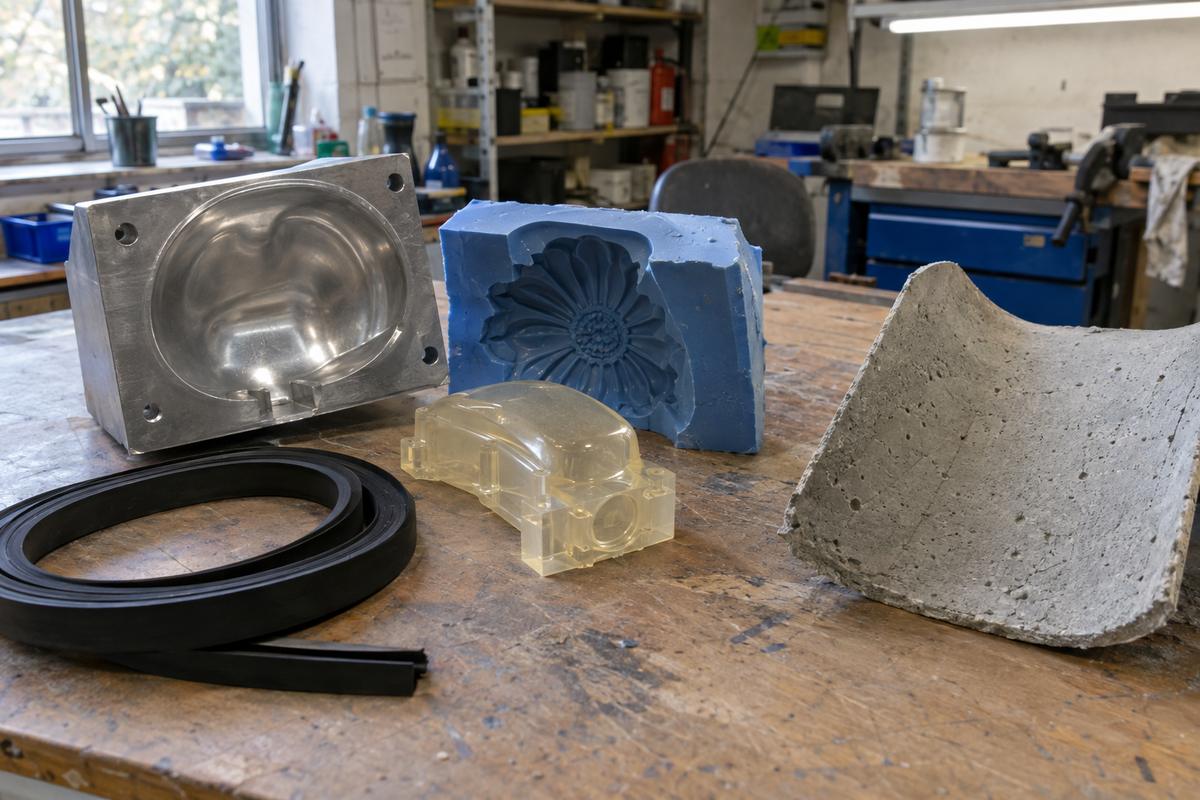
→ Silicone (usually tin-cure), from our Construction division
In closing
One more thing.
None of this is set in stone — there are edge cases where the 'obvious' answer is wrong. Ring us with the specifics and we'll go through it properly.
Related reading
Where to read next.
Which TCI division do I need?
Four brands, one workshop, one number. If you'd rather not ring us cold, this is the map.
We run four materials. We're not paid to push one over another.
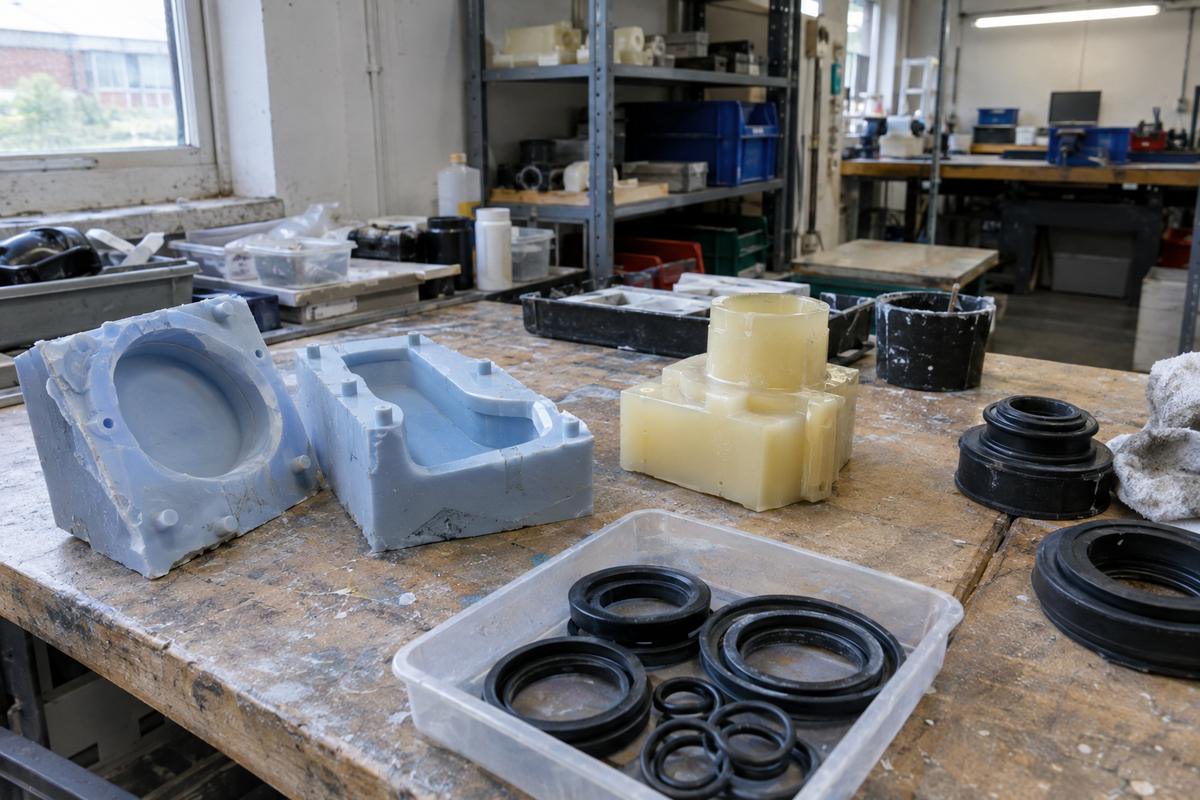
Platinum-cure silicone, tin-cure silicone, polyurethane, and various rubbers pass through our workshop every week. That…
Materials
The silicone, PU and rubber grades we run.
The group
Where this fits in the group
Four specialist teams share our workshop, our engineering bench and a single quality system. Pick a doorway, or ring us and we'll route you.
At a glance
The idea in a picture.
Which route suits your quantity
Swipe to see the whole diagram
Get in touch
Not sure which division? Tell us what you're making.
Send us a sketch, a photograph, or a paragraph. We'll come back with the right division, the right route, and an honest sense of what it will take.
Real people, a real workshop
You deal with the people who make it.
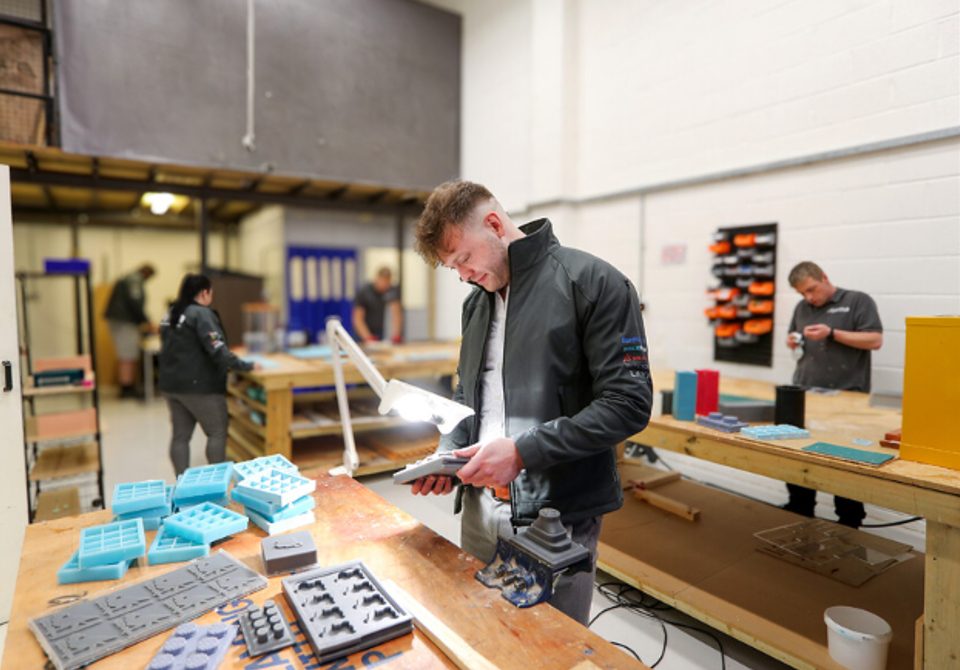
No call centre and no middlemen. When you contact TCI Group, you speak to the team who design, build and check your mould.
- A real Warwickshire workshopUnit 15, Waterloo Park, Bidford-on-Avon, Alcester B50 4JG.
- Real people on the phoneCall the team on 01789 224228, Monday to Friday.
- The same team on every jobDesign, production and aftercare come from the people you see here.
- Five brands, one teamMoulds, culinary, construction and contract products, all run from Bidford-on-Avon. See the divisions.

 Thomas LaneManaging Director
 George PrestonDesign & Project Manager
 Kelly BallingerHead of Partnerships
 Jim AndertonProduction Manager
 TheodoreEmployee Welfare