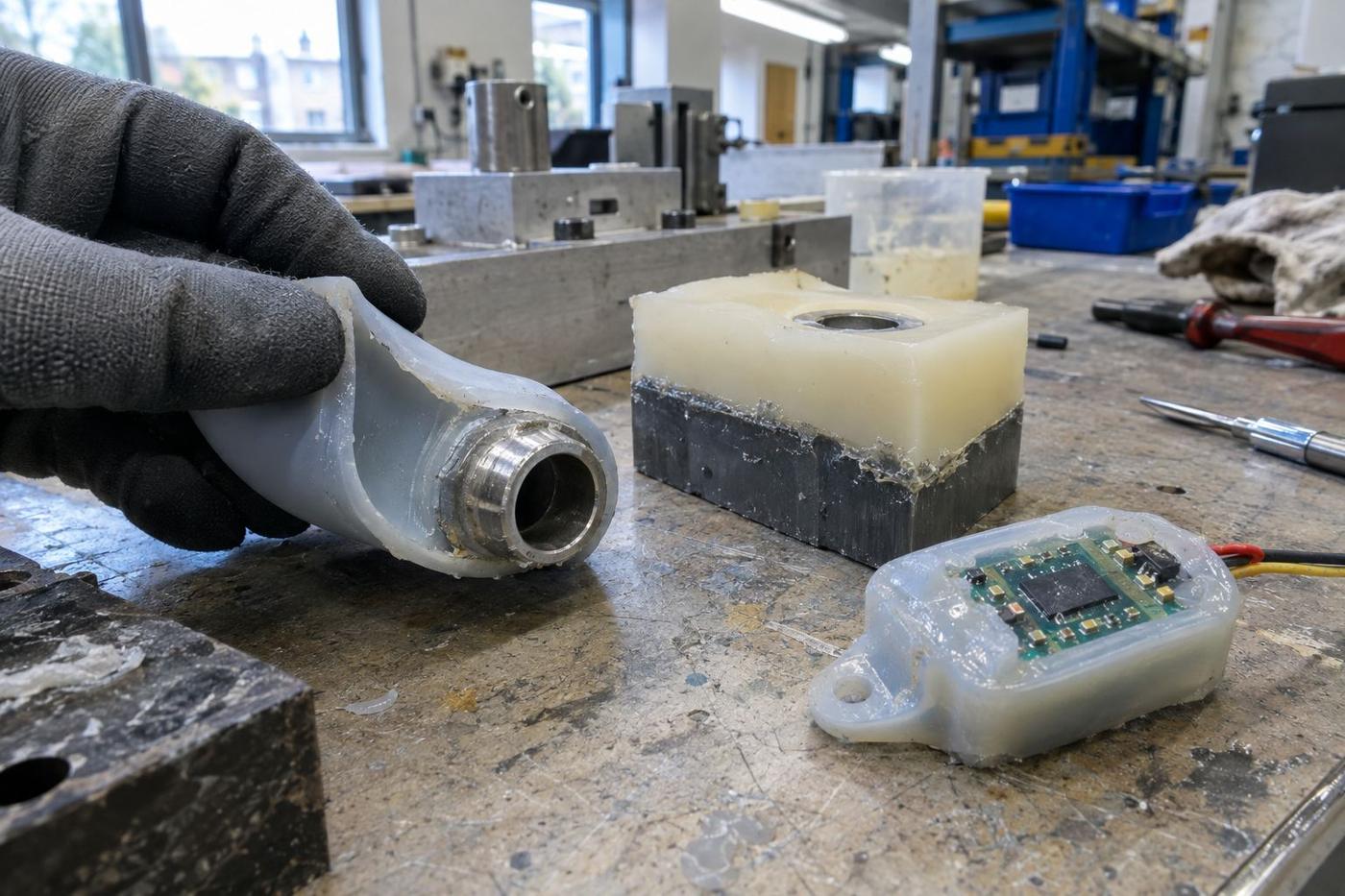
Buyer's guide
Managing a multi-material project without the gaps between materials.
Silicone on PU, rubber on metal, silicone around electronics. The materials are rarely the problem — the interfaces between them are. Here's how to manage those well.
Intro
Managing a multi-material project without the gaps between materials.
Multi-material parts fail at the join: a bond that peels, a cure that inhibits, a mating face that's slightly off because two suppliers read the drawing differently. Good project management is mostly about getting the interfaces right early.
This guide covers the decisions to make, in the order to make them.
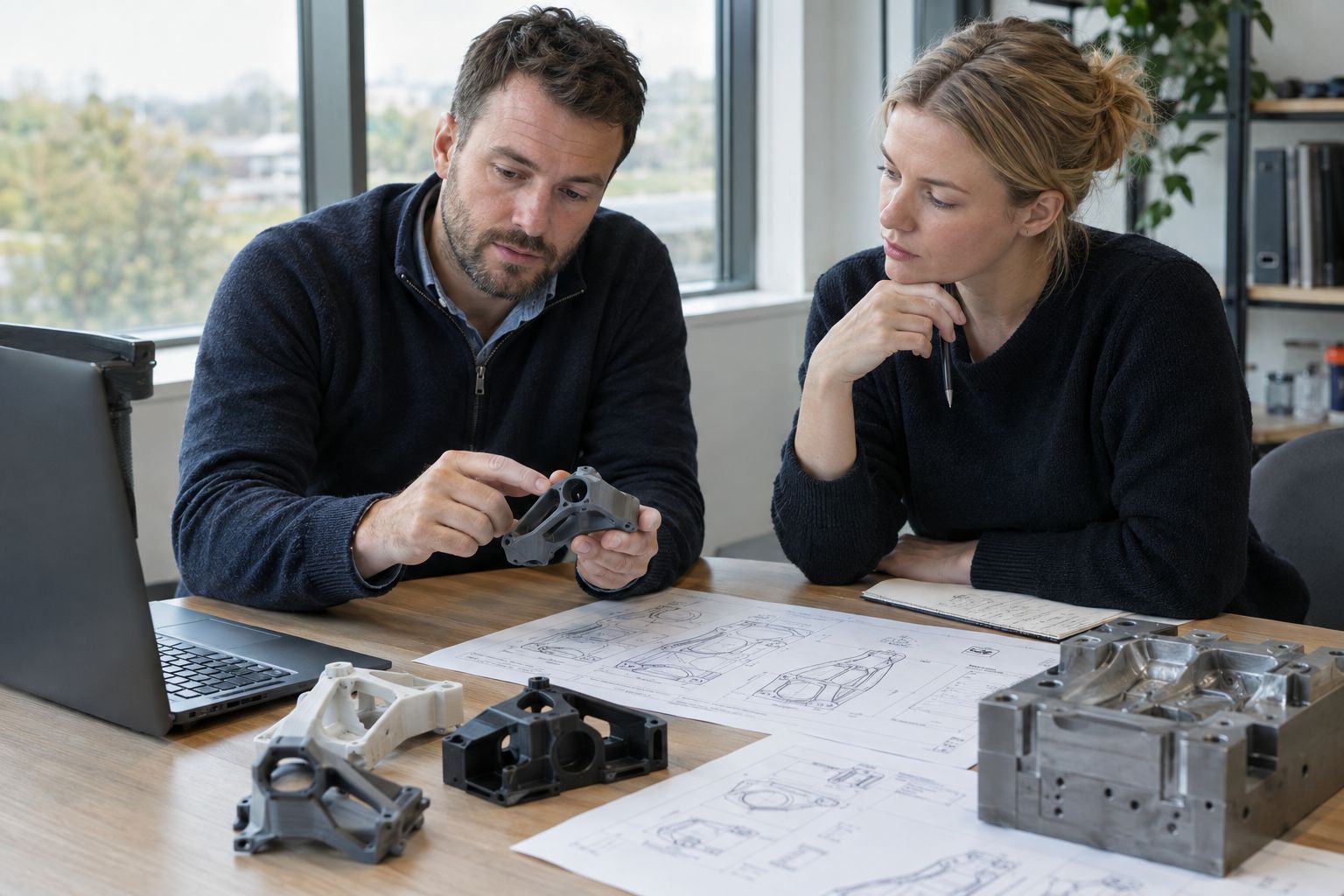
Define the interfaces first
Before choosing grades or routes, list every place two materials meet and what that join has to do — seal, bond, flex, conduct, insulate, or simply sit together. That list drives everything else.
Choose materials as pairs
A silicone grade that's perfect alone may inhibit against a particular PU or refuse to bond to an insert. Specify materials together and ask your moulder to confirm the pairing.
Test the pairing small
Witness samples of each material pair cost little and answer questions that would otherwise surface on the production tool. Bond tests, cure checks and ageing tests all happen here.
Sequence the tooling
Decide which part is made first and which is moulded onto or around it. Tools for the second shot or second material depend on the first being right.
Keep one owner
If different suppliers make different materials, name one owner for the interfaces. Where we make both, that's our lead engineer.
Plan inspection at the join
Inspection should check the interface itself — bond strength, seal integrity, fit — not just each part's dimensions.
Quick reference
A one-glance version of the guide above.
Every interface listed
→ Before material choice
Materials specified as pairs
→ Not separately
Witness samples
→ Before production tooling
Tool sequence agreed
→ First material first
One interface owner
→ Named in writing
Interface inspection
→ In the quality plan
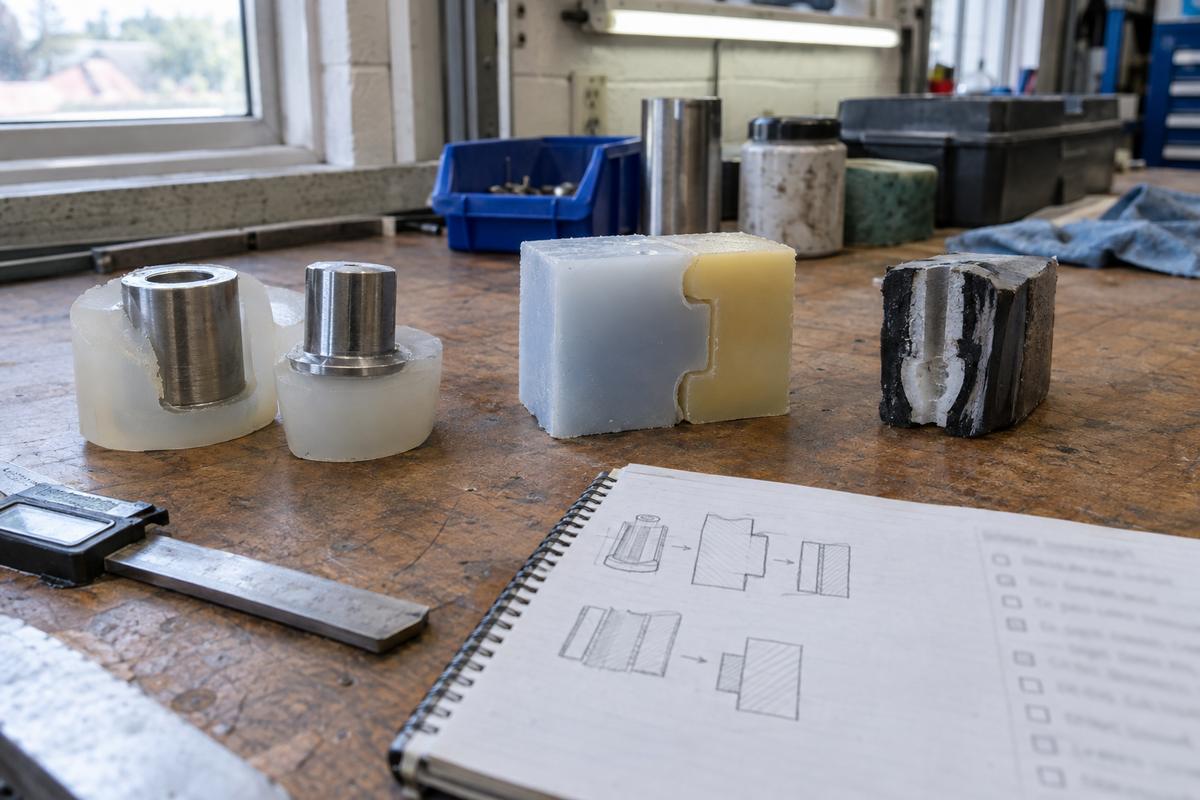
In closing
One more thing.
Most multi-material projects we see go wrong because each supplier did their part well and nobody owned the join. Own the join, and the rest usually follows.
Related reading
Where to read next.
Projects that need more than one material, coordinated as one job.
Some parts want silicone in one place and polyurethane in another. Or a rubber gasket on a silicone body. Or a hard…
Silicone moulded onto metal, bonded or captured.
Threaded bushes, mounting plates, brackets and pins, with silicone or rubber moulded around them. The bond, the insert…
Silicone and polyurethane on the same job, planned as one.
PU parts cast from silicone tools. Soft silicone faces on rigid PU bodies. PU prototypes that stand in for a silicone…
The group
Where this fits in the group
Four specialist teams share our workshop, our engineering bench and a single quality system. Pick a doorway, or ring us and we'll route you.
Get in touch
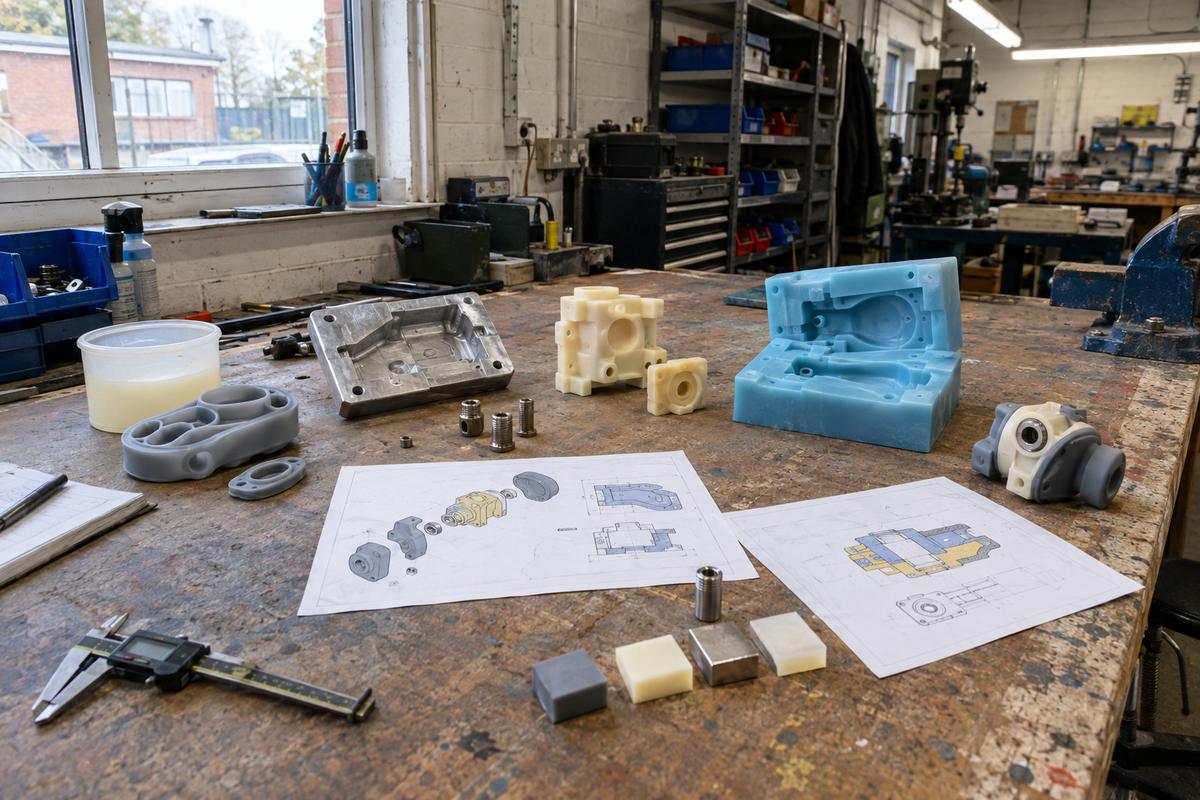
Not sure which division? Tell us what you're making.
Send us a sketch, a photograph, or a paragraph. We'll come back with the right division, the right route, and an honest sense of what it will take.
Real people, a real workshop
You deal with the people who make it.
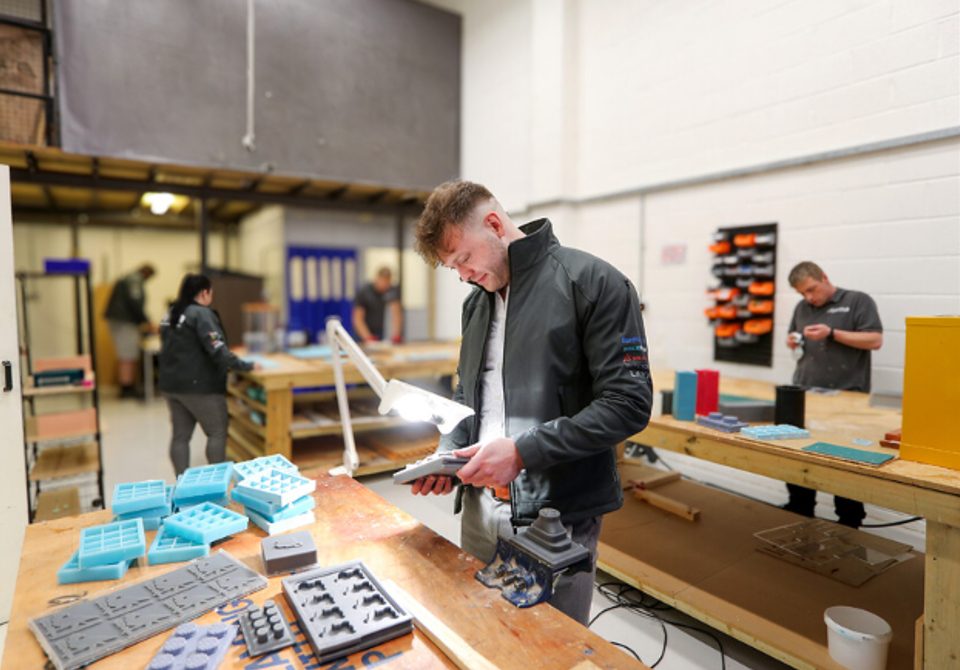
No call centre and no middlemen. When you contact TCI Group, you speak to the team who design, build and check your mould.
- A real Warwickshire workshopUnit 15, Waterloo Park, Bidford-on-Avon, Alcester B50 4JG.
- Real people on the phoneCall the team on 01789 224228, Monday to Friday.
- The same team on every jobDesign, production and aftercare come from the people you see here.
- Five brands, one teamMoulds, culinary, construction and contract products, all run from Bidford-on-Avon. See the divisions.
 Thomas LaneManaging Director
 George PrestonDesign & Project Manager
 Kelly BallingerHead of Partnerships
 Jim AndertonProduction Manager
 TheodoreEmployee Welfare